For a brief time in January, we were in a state of denial. My dad was putting up a brave face, eating a lot, even appearing a bit cheerful at times. One day after chemo, we went to a sushi restaurant he knew I loved. He used his craving for fried fish, in the form of tempura, as an excuse but I think it was to treat me. On that drive to Tokyo Bowl I thought about all the old memories spent at the tiny restaurant. All the trips in my late teens, going with my friends, a late-night run with my sister when she rescued me from the dorms and eventually introducing my parents to the place. Thoughts of much happier times and when my dad was healthy.
We sat by the wall filled with framed and autographed astronaut photos, something common for the Clear Lake area. The first time I took my parents to eat there my dad marveled at how authentic it was. He’d tell us the story about being in Okinawa in the Air Force and eating a bunch of wasabi thinking it was avocado, a rookie Hispanic mistake. Then there was the occasion where he ate too much wasabi and said, “I thought I was going to have to get up and leave.” All these memories felt like ghosts that I could recall, even see just by looking around.
We sat next to the bathrooms in case his chemo caused any violent reactions. We ordered our food and convinced ourselves it was normal. It almost felt like it was, until the end of the meal. Since my dad could barely walk, my mom got up to take care of the check. My dad began belching and we needed to get home before it got worse. Looking back, that sushi lunch was a happy memory. He enjoyed the food, he ate quite a bit, it felt like it old times.
•
There was an anger within me spurred from my dad’s cancer that never went away. It was always there, dormant enough for me to get through the day. Little things would trigger it. Now that our whole life was leading up to death, we didn’t fit in anywhere anymore. We were bricked into our home dealing with things the rest of the world didn’t want to fathom. It felt like being dead and alive at the same time. Shrodingers house. It was hard to know how to feel, talk or be. I was growing more terrified at what was headed our way. While at the treatment center as my dad reclined and my mom chatted with nurses, I went and looked at the pamphlets.
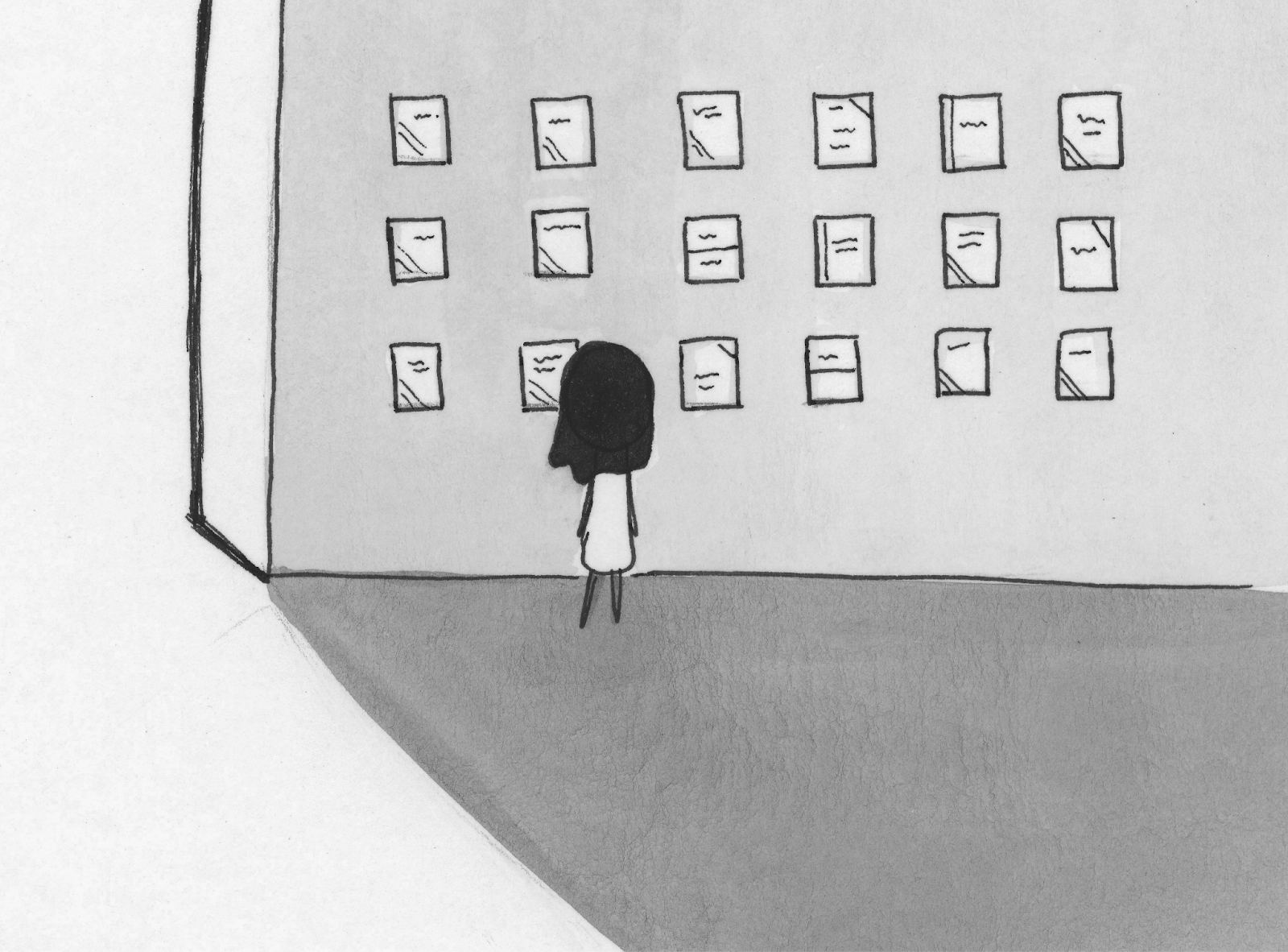
I searched over and over for a pamphlet about death, desperate for guidance or any truth. I hoped that maybe there was a pamphlet and I didn’t see it, but there weren’t any. There were only pamphlets about each type of cancer, all in a generic similarity, dryly explaining the disease. It felt sour. How did we know what to do? What to expect? I needed answers. It felt hopeless and maddening to be on a path with no map, no advice.
All around us, other people looked promising. Other people had a manageable diagnosis, a cancer they could beat. Odds that were in their favor. Nobody wanted to look at us. Nobody knew what to say to us. We were the unlucky ones, there would be no celebration. No happy endings. I could see the fear in people’s eyes as they studied my dad’s figure and then quickly diverted them away. It made me seethe with anger. It wasn’t a rational reaction, but I didn’t care. We were in the loneliest club that nobody wanted to be in.
•
On one of the treatments, I ran into a woman in the bathroom. She didn’t look okay. She was breathing hard, hand halfway to her chest. “Are you okay?” I asked. Shakily, looking around dazed, she replied, “I just feel nervous, I don’t know what’s wrong with me.”
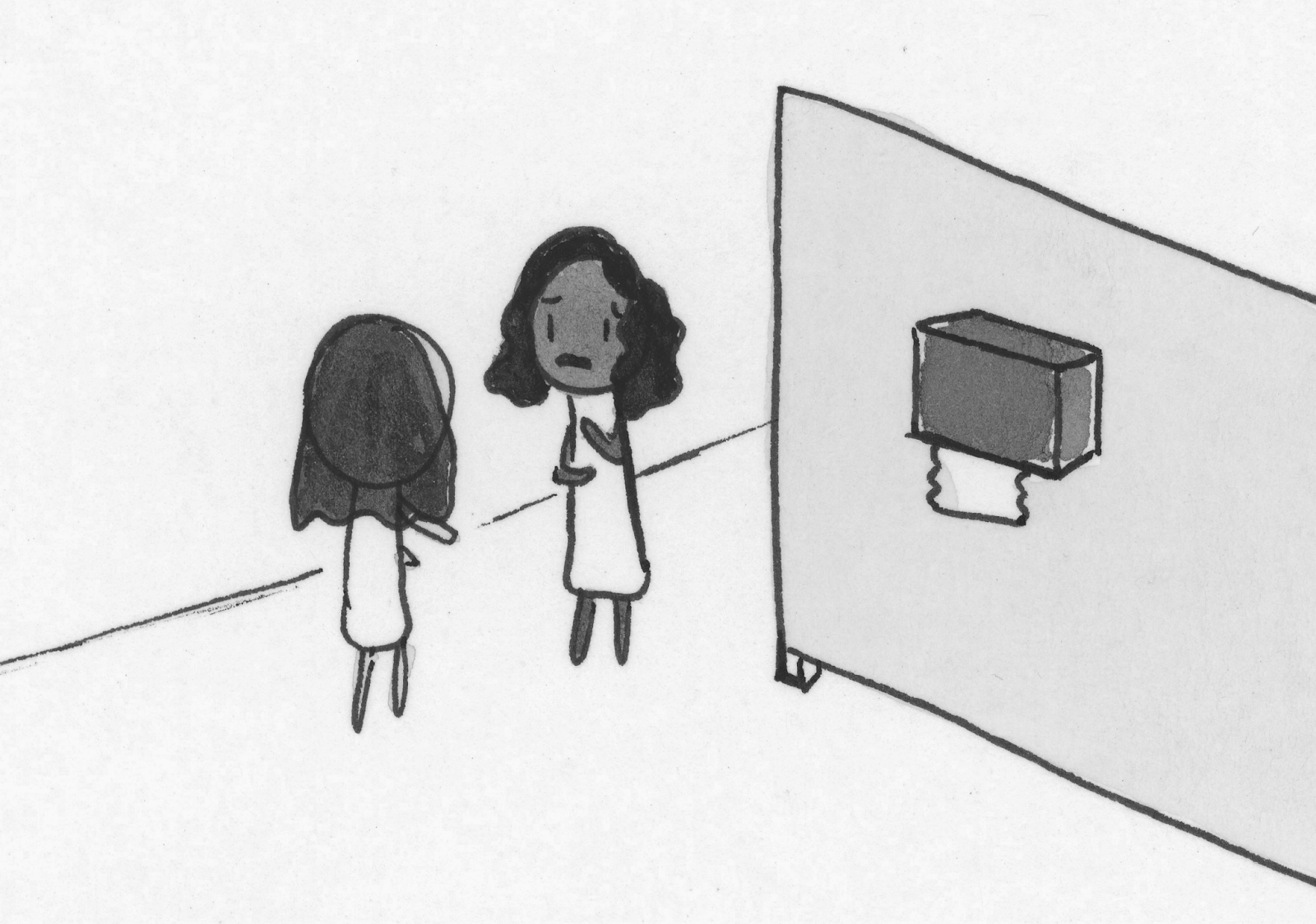
I immediately felt concerned. I suffered debilitating anxiety attacks through most of my twenties, I knew that hell personally. I got her a washcloth made of napkins and cold water, telling her to put it on her neck, as someone in a bathroom once did for me when I was feeling ill. I gave her some of my old coping tricks, counting slowly backwards from 100, that had always helped to calm and distract me. She seemed grateful. I think about that moment a lot and wish I could redo it. I should have asked her more questions, like who she was there for.
During that time and on those doctor appointments I was stretched so thin, mentally and emotionally, pretending to be in control. The strain of that whole experience numbs you, your reactions, thinking, focus, everything. Thoughts come out delayed or vague, a side effect of the stress. I still think about that lady in the bathroom and wonder how she’s doing. I wish I’d given her a hug. I hope that she’s okay. That tiny two-stall bathroom made you feel so vulnerable, the one room where you didn’t have to appear brave. Everyone in that building was living the bad news. I was trying to stay intact and not compromise my performance. I still regret not saying more to that woman. I wish I had stayed with her.
•
By the end of January, things were feeling strained. I would chat with Jon every night online. This would sometimes be good and other times a disaster. A lot of days I felt blank, completely exhausted. I had no idea what to say. Depending on the day, I was angry and resentful. I admitted to Jon it was too much pressure to chat when everything was horrifying. I worried about how we would ever be normal again. I began to worry about what was going to happen to me mentally. What would I turn into? Would I be the same?
I searched online for books about death, losing loved ones, coping with loss. Most of them were generalized under an umbrella of circumstances in which people had died. They weren’t helpful with what it was like to live a slow and painful death. I tried to read some books about care-giving and what to expect. Alarmed, I read that the stress of care-giving could take as many as eight years off of one’s life expectancy.
Everyday we were crushed under the weight of the largest elephant in the room. We were avoiding that death sentence. At night I would go into my old room and unload. Sometimes I would draw, write or do nothing at all. It was my only relief. For the first time in my life I was faced with a situation I could not change, avoid or stop. I wanted my old life back, a tortuous vision of happiness that still felt within my reach but was now only a mirage.
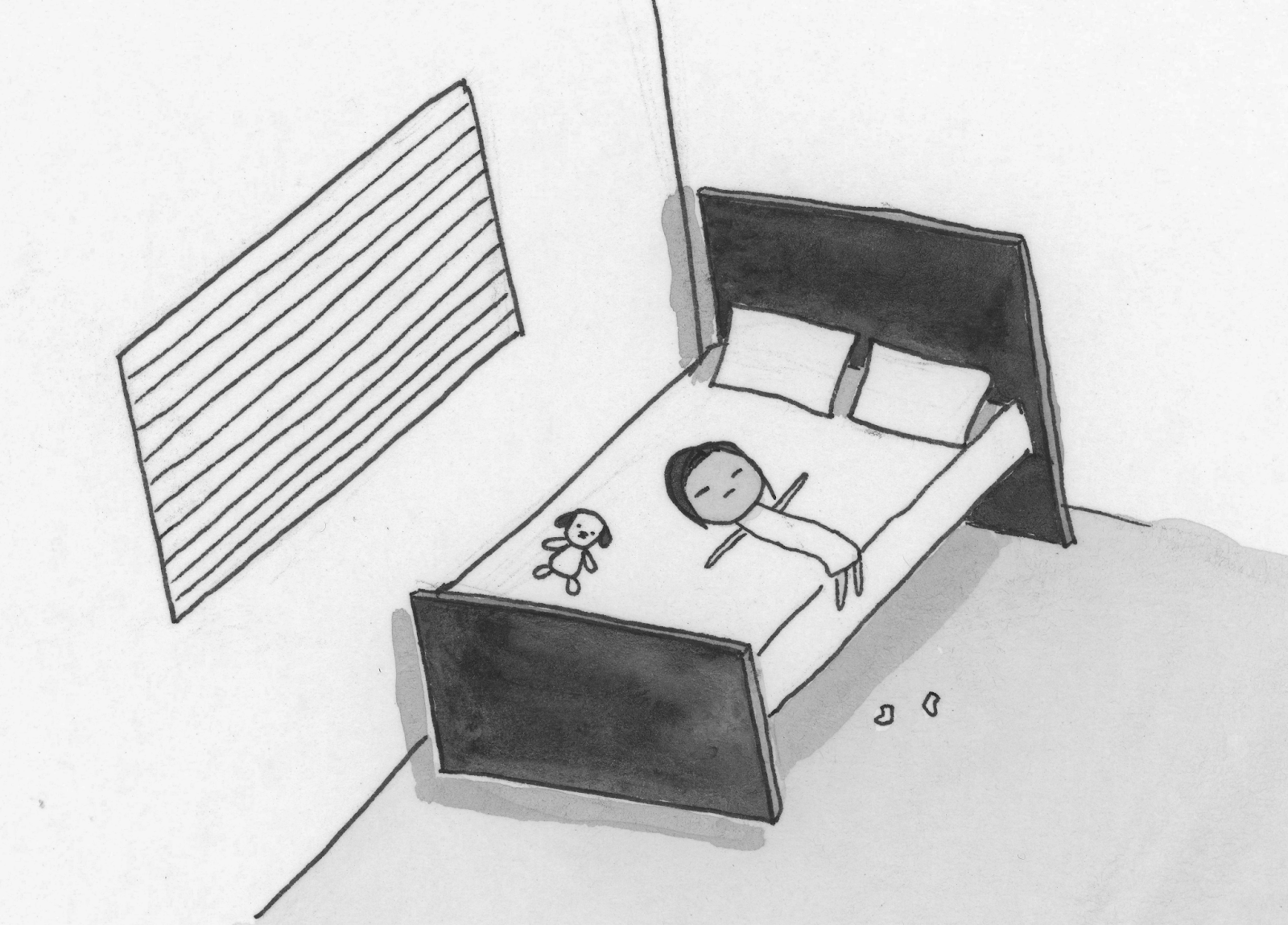
More than often I would lay on the bed. Sometimes the anger would take over. For whatever reason one night I searched for the loudest thing in my music collection. I picked Faith No More’s, Epic and blasted it as loud as it could go on my headphones. I laid there on the bed, in the dim yellow glow of a lamp.
Motionless, I let the song play at least twenty times on repeat. The loudness felt like an absolute comfort to hide inside. I had zero energy to cry, it wouldn’t help how I felt anyway. I’d rather scream. Thankfully I had found someone who could scream for me. This was the same room I had as a child. This was where I wore out a Beatles tape I got for Christmas at age eight. The calamity of old memories in my house colliding with sometimes agonizing new ones was overwhelming. Several times a day, I found myself thinking, I can’t believe this is happening. You’d think I’d gotten used to it by the first few months but no. That same shock was thick and stayed with me for years.
•
After watching my dad die a little more each day, at night in my old room was where I would decompress. I didn’t have to appear as anything. No act, no performance. Eventually, I could turn off my mind and fall asleep, only to wake up to the nightmare all over again. For just a second each morning my stone face stared at the ceiling and would hope it wasn’t real. Only for a second I could exist where the pain wasn’t happening.
One morning I woke up to the sound of something loud and repetitive. I blinked and got out of bed. Gaining speed with each step, I found my mom in the hallway ahead of me going towards their bedroom. My dad woke up earlier than usual, angry, thinking he had gone to the bathroom and needed help. With little strength, he had a flashlight that he was hitting the metal bed frame with to wake us up.
For months I would wake up swearing that I could hear those sounds, that clanging, that guilt of him being alone for who knows how long. It took a year to forget the sound entirely. That morning I could hear him angry and muttering, my mom cleaned him up and reassured him that it wasn’t anything bad. There were loads of laundry, with bleach, every other day for accidents like that. His body was getting worse.
We dragged out a bath chair that he hadn’t wanted to use. Jon and I had spent all day finding one for him back in December. He decided it wasn’t safe or practical for him to try to shower. No one looks at their bathtub and thinks that the twelve inch wall will one day be too high to climb over. He had no strength to even lift his legs more than an inch, let alone to step over into the tub. It had been months since he’d bathed. He had now finally accepted the bath chair, letting my mom help wash him.
Afterwards from the hallway, I could see maybe a sliver of what was going on through the door. All these moments I watched my mom, taking care of him. I didn’t know what she was thinking. I thought about Jon. The idea now entered my mind of Jon, the person I’d known forever and loved, in this state of suffering. Just the thought felt like a burn pouring through my body.
When I first came home in December, it was all new to me. There was so much I didn’t understand. I had to adjust to my dad’s new body, his limits that I could not simply comprehend at all. One day before an appointment I attempted to put socks on his feet. Not thinking and realizing the severity of his state, I let go of his foot and it crashed down onto the hard tile floor with an awful thud. He winced in pain. I felt a million shades of devastation at my stupidity. It was a double punch realizing he couldn’t even lift his own leg and that I had been an idiot and hurt him. For years I felt horrible about that moment.
•
My dad would constantly say things to convince us he was okay with dying. He said out loud that he had lived a long life, he didn’t want any sympathy. Later while the tv was on PBS, there was a long commercial with a mom talking about her five year old son she lost to cancer. Hidden around the corner of the kitchen, I watched the tv screen while my dad sat on the other side in the living room.
As her story went on, the pictures she shared of a tiny little boy beaming with joy made all of my insides tighten in pain. I remembered all the times my dad said, “I’m not sad, what’s terrible is when kids are sick like this. That’s what’s horrible.” I knew that in the other room he was watching, he was hurting seeing this parent, emotional, talking about their child, now in loving memory of everything he was to her. I couldn’t watch anymore. Distraught, I went into the garage to cry so he couldn’t hear me. Once I cleaned up, I finished making his tea and brought it to him.
As he sat in his chair, he would shift painfully, in attempts to alleviate pressure on his bones. His waist darted inward under his ribs. When he wore shorts, I could see all of the bones in his legs. The same legs that had always been pure muscle, lean and defined from a lifetime of hard physical work. It was all gone.
He was perpetually cold all the time. He had two electric blankets on him, many times he left them on too high and which would result in a delayed process of pain. I’d have to go turn them off as he would grimace at the burning. Another thing I felt mortified for not knowing or thinking about. We had to convince him to keep the blankets on low. But you couldn’t tell him anything. I tried to get him to sit outside but he refused. I tried to open the blinds to let light in and he squinted and ordered me to close them. How do you fight or argue with a dying person? He was miserable, it wasn’t like tv cancer. I did what he’d ask, I wanted him to be comfortable.
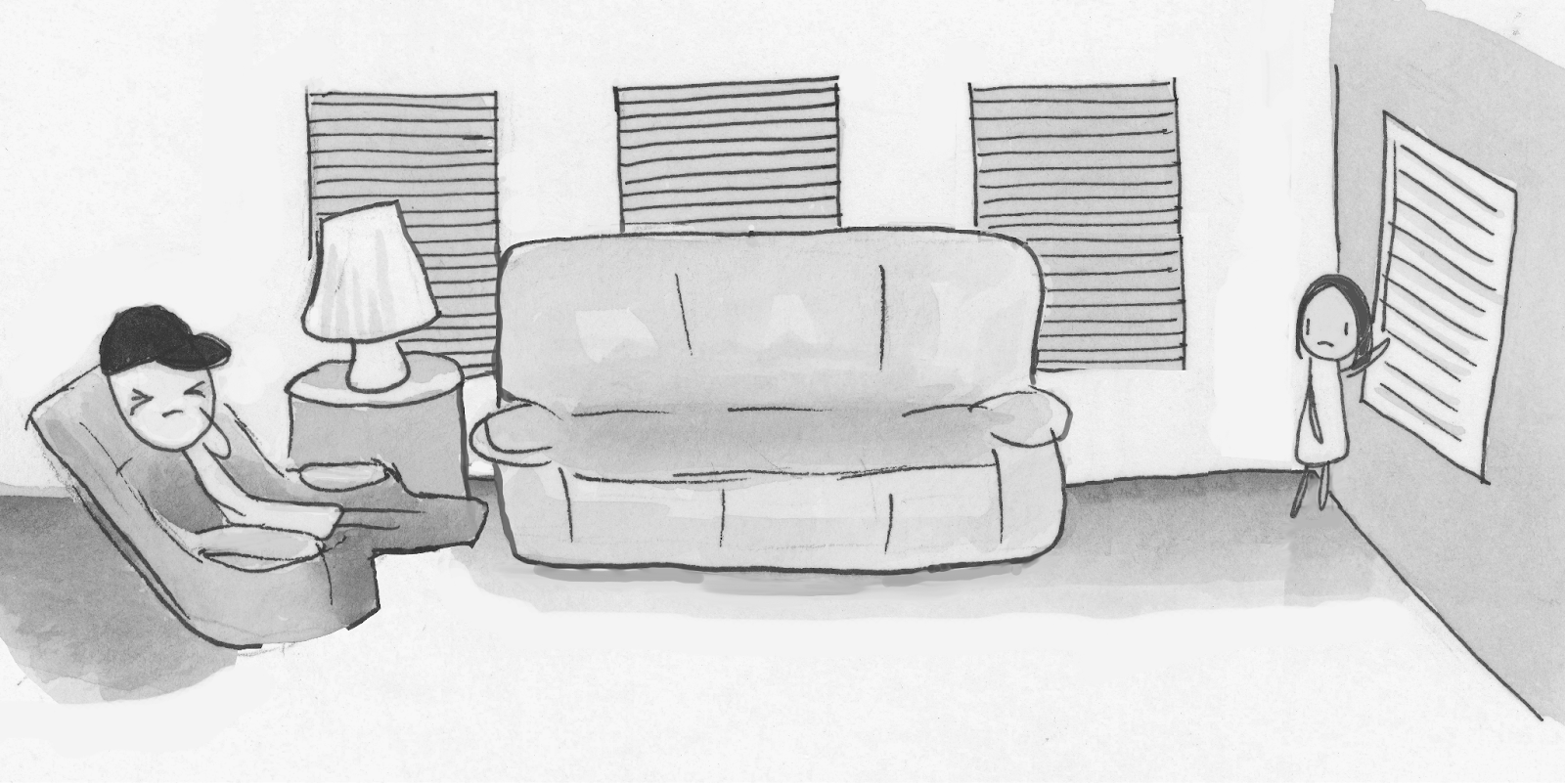
During those times I wrestled with lots of thoughts, sometimes in a panic. Was I being responsible enough? Should I force him to eat quinoa and drink green juices? Should I force him to abstain from sugar? What kind of daughter was I? What would the doctors say? What would anyone say? What if someone asks what I had been feeding him? Should I have been writing everything down? How could I be so bad at this? These thoughts put me in a state of pure terror.
The truth was he was running out of energy to even eat. Time was running out in general, it was becoming more and more clear. Nothing was going to stop his failing body. There was no handbook for this because it didn’t matter. No one can handle that brutal truth. But still I remained fearful about what I did or didn’t do. Every so often sitting in his chair he would stare off sadly and say, “We’ve got to find something I can eat.” It’s taken me five years to stop feeling like a failure for not finding that something for him. It took years to finally stop hearing his voice inside my head saying those words.
•
Coming to terms with the approaching death, I tried to look for artifacts of my dad in his bathroom. In his cabinets, his dust-laden toiletries, I searched for anything. I don’t know what I was looking for. Maybe a note professing all his inner thoughts, loves and things I’d always wanted to know. What’s funny is that I did that same thing even as a child, looking for a window into his mind.
When I was a kid I’d smell the cologne he never used, re-read an old note I wrote him and left there in his cabinet hoping it’d provoke a reaction. None of those things were there now. Instead, there was a bunch of suppositories from his months earlier bowel troubles, an old pair of scissors, baby powder that he abundantly used to keep from perspiring at work with and one lone hair brush.
Picking up his hair brush I felt a great urgency to conserve what was left of my dad before it was too late. Frantically I started to consider collecting his hair from that brush. As I started to take some, I glanced up into the mirror and a familiar person stared back. In an almost humorous moment, I realized, I do have his hair! His DNA was in my skin color, my hair, my hands, and feet. In my eyes his family, my grandparents all seem to be there staring back. For a moment I could smile and I felt relief.

